What is transfer pricing, and why is it important in the UAE?
Transfer pricing refers to how related companies within the same group price their transactions, such as sales, services, or loans. Under the UAE’s corporate tax law, businesses must follow the arm’s length principle to show these prices are fair. This prevents profit shifting and ensures compliance with the transfer pricing UAE corporate tax rules.
Do all UAE companies need transfer pricing documentation?
Not every business needs full documentation. The requirement usually applies to companies that cross certain revenue thresholds or have significant related-party dealings. But even smaller businesses may need a benchmarking analysis in the UAE to prove compliance.
What is a benchmarking analysis in transfer pricing?
A benchmarking analysis of transfer pricing is a study that compares your intercompany prices with independent market data. It helps prove to the Federal Tax Authority (FTA) that your pricing is consistent with what unrelated companies would charge under similar conditions.
How does the finance team’s understanding of company transactions contribute to providing meaningful information for Transfer Pricing assessments?
The finance team is often the primary source of financial and operational data used in Transfer Pricing analyses. A thorough understanding of company transactions enables the TP team to identify relevant related-party dealings, define the scope of the review more efficiently, and avoid unnecessary effort in examining unrelated transactions. This allows greater focus on areas where related parties may have a significant impact.
Since connected persons may include directors, officers, or other individuals who influence business decisions, are companies maintaining adequate procedures to support and justify their roles?
Under UAE Corporate Tax and Transfer Pricing rules, identifying connected persons requires more than reviewing legal ownership. Businesses must consider the actual influence and control exercised by individuals within the organization. Where transactions result in the allocation of profits among connected persons, companies should ensure that such arrangements are supported by appropriate documentation and comply with the Arm’s Length Principle.
Given that related-party relationships may arise through both direct and indirect ownership, are companies able to demonstrate a clear and transparent ownership structure?
Related-party relationships are not always evident from the legal structure alone. Indirect ownership arrangements, particularly within holding company structures, may create related-party connections that require consideration. Companies should therefore maintain updated organizational charts, shareholder registers, ownership records, voting rights information, and other supporting documentation to clearly demonstrate relationships within the group.
Where funds regularly flow between group entities through current accounts or similar arrangements, should these balances be treated as financing transactions for Transfer Pricing purposes?
Under UAE Corporate Tax and OECD Transfer Pricing principles, intercompany financing arrangements should be assessed based on their economic substance and commercial reality. Where one entity provides funding, financial support, or allows another entity to benefit from outstanding debit balances, the arrangement may be regarded as a financing transaction that would ordinarily require an arm’s length return.
When intellectual property owned by one group entity benefits other members of the group, is the resulting value being appropriately measured and compensated, and has a DEMPE analysis been performed?
Legal ownership of intellectual property alone does not automatically justify entitlement to all associated returns. Profits generated from intellectual property should be allocated according to the actual economic contributions made by each entity. A DEMPE analysis assesses the Development, Enhancement, Maintenance, Protection, and Exploitation functions related to the intangible asset and helps determine whether returns are aligned with the functions performed, risks assumed, and contributions made by each entity.
If reliable comparable transactions are unavailable, can alternative Transfer Pricing methods be used to determine an arm’s length result?
The most appropriate Transfer Pricing method should be selected based on the facts, circumstances, and available data. Where traditional methods such as the Comparable Uncontrolled Price (CUP), Resale Price Method, or Cost Plus Method cannot be applied reliably, businesses may consider alternative approaches, including the Transactional Net Margin Method (TNMM) or the Profit Split Method, provided they produce a reliable arm’s length outcome.
Where centralized procurement functions or shared service centers operate within a group, is the allocation methodology being applied appropriately across participating entities?
Allocation methods should reflect the actual benefits received by each group entity and be supported by reasonable allocation keys. Companies must be able to demonstrate that centralized services or procurement activities provide measurable value to recipients. Supporting evidence may include service agreements, cost allocation schedules, time records, and documentation confirming the delivery of services.
As compliance with Transfer Pricing requirements is one of the conditions for obtaining Free Zone tax benefits, how might these requirements influence the structure and operations of a business?
Transfer Pricing compliance often requires businesses to clearly define and document their value chain, ensuring that functions, assets, and risks are appropriately allocated between Free Zone and non-Free Zone entities. As a result, companies may need to reassess their operating models and group structures to ensure that Free Zone entities possess sufficient economic substance and receive appropriate remuneration for the functions they perform.
Are boards of directors and senior management sufficiently informed about the consequences of non-compliance with UAE Transfer Pricing requirements?
A lack of awareness at the board or management level may lead to the underestimation of Transfer Pricing risks, including tax adjustments, penalties, and challenges to preferential tax treatments such as Free Zone incentives. Transfer Pricing is a fundamental aspect of demonstrating that profits are aligned with economic substance and value creation. Inadequate governance or incomplete documentation may weaken a company’s position during tax audits, reviews, or disputes with the Federal Tax Authority.
Are companies sufficiently aware of the thresholds and conditions that trigger the requirement to maintain a Master File and Local File under UAE Corporate Tax Regulations?
While multinational groups are often familiar with Transfer Pricing documentation requirements through existing global compliance obligations, awareness may be lower among smaller or newly established businesses operating in the UAE. Taxpayers should understand the applicable thresholds and ensure that Master Files and Local Files are prepared and maintained on a timely basis, rather than being developed only in response to an audit or regulatory inquiry.
What happens if a company doesn’t comply with the UAE transfer pricing rules?
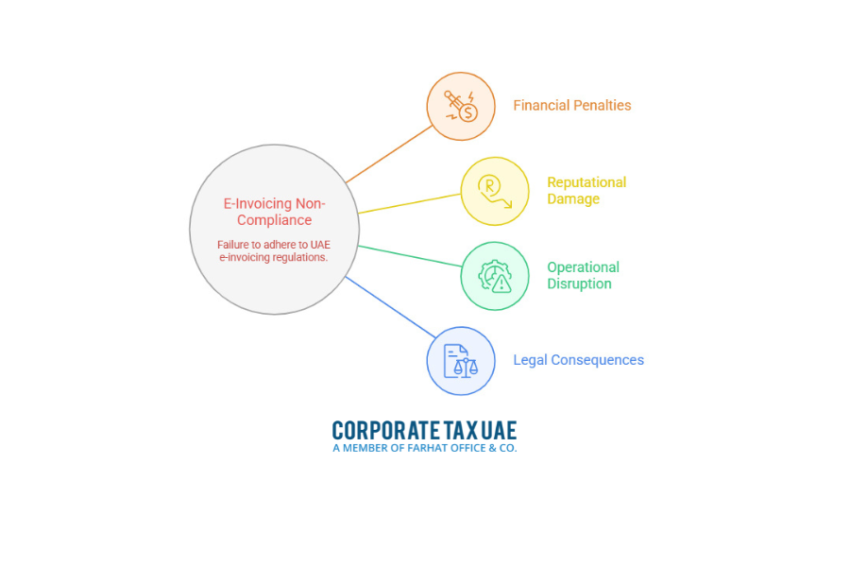
Non-compliance can lead to the FTA adjusting your taxable income, which increases the corporate tax payable. It may also result in penalties and reputational risks. Having proper documentation and benchmarking reduces these risks.
Can transfer pricing help reduce tax risks in cross-border transactions?
Yes. For multinational groups, transfer pricing compliance ensures that profits are correctly allocated between jurisdictions. This helps avoid double taxation and prevents disputes with tax authorities in the UAE and abroad.
Who should perform a benchmarking analysis? Can it be done in-house?
While some companies attempt it internally, most rely on professional consultants who have access to global databases and experience with benchmarking analysis in the UAE. This ensures the results are reliable and defensible if the FTA reviews them.
How often should UAE businesses update their transfer pricing documentation?
It’s best to update transfer pricing documentation and benchmarking studies annually, or whenever there are significant changes in transactions. This keeps businesses aligned with FTA corporate tax rules and ready for audits.
Can companies clearly identify their related parties and ownership structure?
In many cases, related-party relationships may not be immediately visible from the legal structure alone. Indirect ownership may also create related-party relationships, especially where holding companies are involved. Accordingly, businesses should maintain accurate and updated organizational charts, shareholder registers, ownership percentages, voting rights details, and supporting legal documentation to demonstrate the relationships between group entities and connected persons.
Are companies properly identifying connected persons beyond shareholders and owners?
In the context of UAE Corporate Tax and Transfer Pricing regulations, identifying connected persons requires businesses to look beyond legal ownership and assess the actual level of control and influence exercised within the organization. Any transaction that leads to profit allocation among related parties should reflect the arm’s length principle.
Why is the finance team’s understanding of company transactions important for TP purposes?
The finance team serves as the primary source of financial and operational information used by the TP team to assess related-party transactions. This helps define the relevant scope, reduce unnecessary effort in reviewing company transactions, and allow the TP team to focus on areas where potential related parties may be involved.
Should intercompany current accounts and fund movements attract interest charges?
Members within a group often support each other through current accounts, fund movements, and financial assistance. Under UAE Corporate Tax and OECD Transfer Pricing principles, intercompany financing transactions must be evaluated based on their actual economic substance and commercial nature. Where one group entity provides financial support, advances funds, or allows another entity to benefit from debit balances or financing arrangements, the transaction may be viewed as a loan or financing activity that should ordinarily attract an arm’s length return.
Is the benefit from group intellectual property properly measured and compensated?
Legal ownership of intellectual property does not automatically mean an entity can recognize all related returns. The allocation of profits relating to intellectual property should reflect the actual economic contributions made by each entity within the group. Companies should perform a proper DEMPE analysis, which evaluates the functions related to the Development, Enhancement, Maintenance, Protection, and Exploitation of the intellectual property. This analysis helps determine which entities are genuinely contributing to the creation and management of the intangible asset, and whether the financial returns allocated to each entity are consistent with their functional contributions and risks assumed.
Is the allocation method for shared services or centralized procurement reasonable?
A proper allocation methodology should reflect the actual benefit received by each group entity and be based on appropriate allocation keys. Companies must ensure that shared services or centralized procurement activities provide a demonstrable benefit to the recipients. Businesses should maintain supporting documentation such as service level agreements, cost breakdowns, time records, and evidence of service delivery.
Can alternative TP methods be used when reliable comparables are not available?
The selected method should produce a reliable arm’s length outcome based on the available data and circumstances. For example, if traditional methods such as the Comparable Uncontrolled Price method, Resale Price Method, or Cost Plus Method cannot be reliably applied due to a lack of data, companies may consider profit-based methods such as the Transactional Net Margin Method or the Profit Split Method.
How can TP requirements affect Qualifying Free Zone Persons?
Transfer Pricing compliance often requires companies to clearly define and document their value chain, ensuring that functions, assets, and risks are appropriately allocated across different entities, such as free zone and non-free zone entities. This may lead businesses to reassess their group structure, especially where activities are split across jurisdictions, to ensure that the Free Zone entity has sufficient economic substance and is appropriately remunerated for the functions it performs.
Are companies aware of the Master File and Local File requirements?
Larger multinational groups are generally more familiar with these requirements due to existing global compliance frameworks. However, smaller or newly established groups in the UAE may have lower awareness. The FTA expects taxpayers to maintain TP documentation, meaning that the Master File and Local File should be prepared on a timely basis and not only in response to an audit.
Are directors and senior management aware of UAE TP non-compliance risks?
Insufficient awareness at the board level can lead to underestimation of key risks, including transfer pricing adjustments, penalties, and potential challenges to tax incentives such as Free Zone benefits. Under UAE Corporate Tax rules, transfer pricing is not merely a compliance obligation but a core element of demonstrating that profits are aligned with economic substance and value creation within the group. Senior management should be aware that non-compliance may result in significant financial exposure, including retrospective tax assessments by the Federal Tax Authority, interest charges, and administrative penalties. In addition, inadequate transfer pricing governance may weaken the company’s position during audits or reviews, particularly where documentation such as the Master File, Local File, and benchmarking studies is incomplete or inconsistent.